Not known Facts About Malware
Do not let wicked robotics attack your website "Wait. What's a bot?" you may ask. A bot is a piece of automated software with a set of fixed functions. On the internet, robots are also described as Malware spiders, spiders, harvesters, and scrapers. These terms explain what the majority of them do, which usually includes gathering information that's then used in whatever from constructing indices and directory sites, to analytics and marketing, to spamming and identity theft.
These pieces of malicious code can begin a download when the Check over here website is visited (generally some sort of trojan), insert spammy material into the website itself, send out visitors elsewhere, and even contaminate other websites. So how does malware get on a website in the very first location? Some malware on the internet is spread out directly by executables (compiled software application) working on a server run by a live person (often described as "bot farm"), but much of it is spread by sites that are already contaminated.
More typically than not, it's a bot or some pre-made script that's on the cutting edge of the attack. Luckily, these are reasonably simple to avoid considering that they're all automated and-- for the most part-- predictable. So what can we do to protect our websites from these nasty robots? Your website needs a good home.
Otherwise, some mean automaton punks may break in, consume all your nuts and bolts, wreck the location, and leave a big mess for you to tidy. It's finest to sign up for a . Ah, Content Management Systems. The argument regarding the "best" CMS raves on, and it will probably go on for numerous years.
Rumored Buzz on Website Malware Protection
None are invulnerable, and each has its own list of security holes. If a hacker truly desires to poke in and trigger trouble, it's probably going to happen anyhow. Nonetheless, it's good https://www.washingtonpost.com/newssearch/?query=malware protection to have a strong platform on which to build and manage your site, and there are many methods to toughen them up versus burglars.
For the tech geeks out there, there's likewise a main short article on . Batman and Robin can't protect you-- well, at least when it comes to passwords. All nouns and any other dictionary words are constantly a bad idea. http://query.nytimes.com/search/sitesearch/?action=click&contentCollection®ion=TopBar&WT.nav=searchWidget&module=SearchSubmit&pgtype=Homepage#/malware protection Typical usernames and weak passwords are easy marks for malware robotics, which constantly try Strong passwords are great passwords.
everywhere! What makes a password "strong"? As much randomization and as many special characters as possible. Here's a remarkable and extremely helpful . While we're on the subject, it's also an excellent concept to NOT utilize "admin", "administrator", or "user" as your administrative username. Keep your core setup, themes, and plugins approximately date-- I can't stress that enough.
Keep your core setup, styles, and plugins approximately date! Getting the current designer releases guarantees a more trustworthy and stable working environment for your site's CMS by patching bugs and vulnerabilities. This uses particularly to plugins, which are created to add performance not naturally readily available in the CMS.
Not known Details About Website Malware Protection
Your installation's on the bleeding edge of updates, and you've selected tougher passwords that would take a whole army of bad robotics to break. Now what? There are two core files prone to the most attacks on any site working on Apache and PHP, despite the CMS: the database connection and htaccess files.
Web Server Security: In fundamental terms, a web server is a computer on which your site is hosted or runs. Visitors or users around the world send out demands to this web server to access the pages of your website. Therefore this is the first aspect you should secure. How? By minimizing the variety of open ports and the variety of services worked on it.
By performing routine web server upkeep activities. All this will guarantee webserver related security risks are mitigated to a terrific level. Website Security: What's on your site likewise plays a vital function in your website's security. By "what's on your website," we are describing your website's code and the visitor (or user) data it deals with.
Effective website coding will guarantee site information does not get exposed unnecessarily. On the other, hand sloppy coding can expose the details kept in your database, allowing hackers to inject undesired SQL Queries in locations like search boxes, login types and in some cases even straight into the site's URL. So how can you protect your website? By carrying malware download out effective website programming which does not gain access to or query the database needlessly By restricting the variety of scripting languages your website supports By using SSL/TLS file encryption.
5 Simple Techniques For Protection From Malware
Site malware is a sad reality that lots of website owners face every day. According to Security Week, around 1% all live sites are infected with malware weekly. This totals up to roughly 18,500,000 sites, with an average website being assaulted 44 times every day. As such, securing your site from malware is a must, particularly when you consider that almost 17% of all contaminated sites wind up being blacklisted by search engines.
Nevertheless, there are particular steps you can require to safeguard your website from malware and we will list them in this post. Below, you'll discover 7 various methods to make your website more safe and secure and reduce the chances of getting contaminated with malware. The first suggestion we have for you is to scan your site frequently for possible malware.

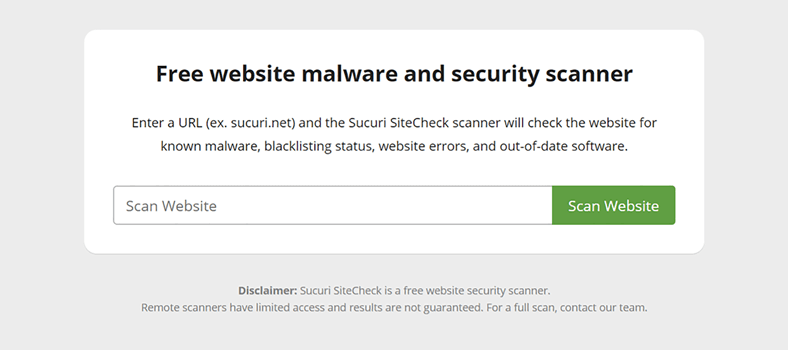
What's more, you will also http://www.bbc.co.uk/search?q=malware protection have the ability to see where potential vulnerabilities are since this feature will flag website errors and out-of-date software so you can act on time and repair them before hackers take advantage of it. On top of scanning your site, you ought to likewise scan your Great post to read computer system regularly and have the current anti-virus software application set up.
Taking routine backups of your website is another method to secure it against malware because a backup ensures that you can quickly restore your site to the way it was prior to malware infection. It should be kept in mind that your backups ought to be stored offsite to ensure you always have access to them in case your hosting company gets compromised due to a security attack or power outage.
Excitement About Malware
Another way to keep your website safe is to perform regular updates not just for your Word Press plugins but also your style and Word Press core also. According to data, 39.3% of contaminated Word Press websites utilized an outdated Word Press version. However, in some cases Word Press updates can go incorrect and you may stumble upon the Word Press white screen of death or you might find out that your favorite plugin quits working after the upgrade.
Our Safe Updates feature will produce a bring back point for you, perform the updates, and after that enable you to easily restore your site in case something goes wrong. If you're utilizing a shared hosting plan, consider updating to a Website Malware Protection handled Word Press hosting plan or a hosting plan that is more ideal for company websites such as a VPS or Dedicated servers.